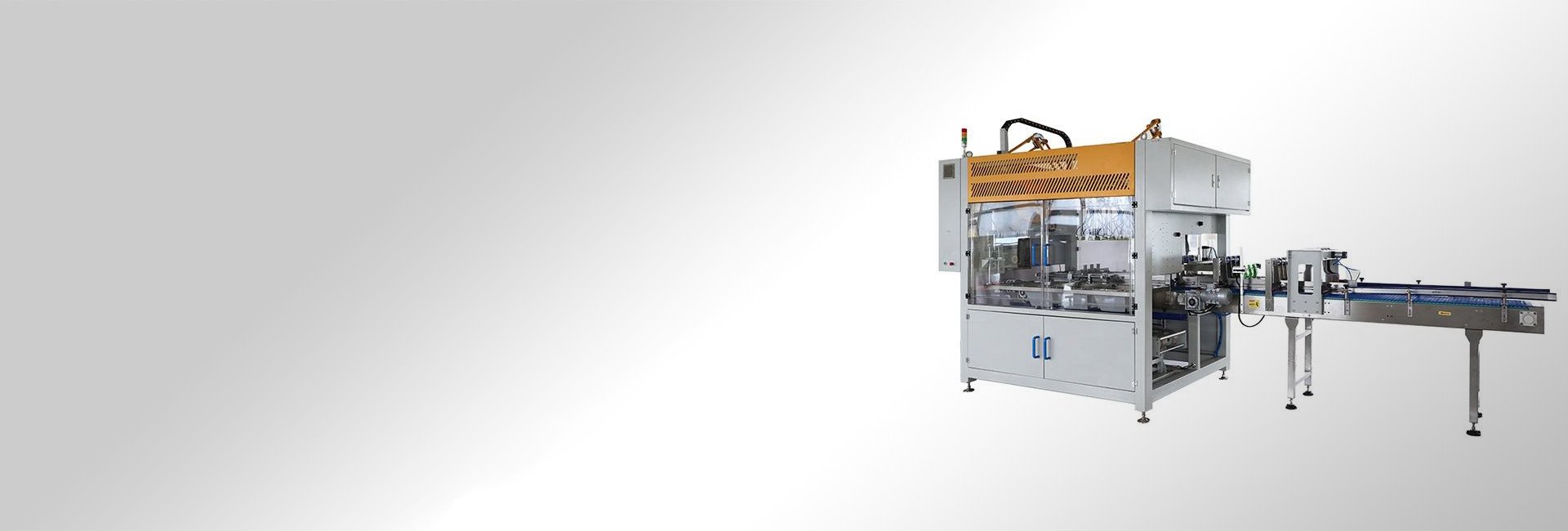
Your Professional Case Packer Supplier
Neocarton case packers provide a wide range of packaging solutions for bottles, cans, cartons, and oddly shaped packages. By applying structural designs and picking methods based on the features of each product type, we guarantee a safe and neat packing process while preventing product squeezing or distortion.
We provide various types of case packaging machines, from compact, fully automated, to high-speed continuous motion case packers, ensuring support to all kinds of packing operations and production line setups. While ensuring high-speed, steady operation, our equipment features a compact design that allows for deployment in small places and is also easy to integrate with other equipment you may have.
Contact Neocarton to get the right case packaging solution for you.
Types of Neocarton Case Packer
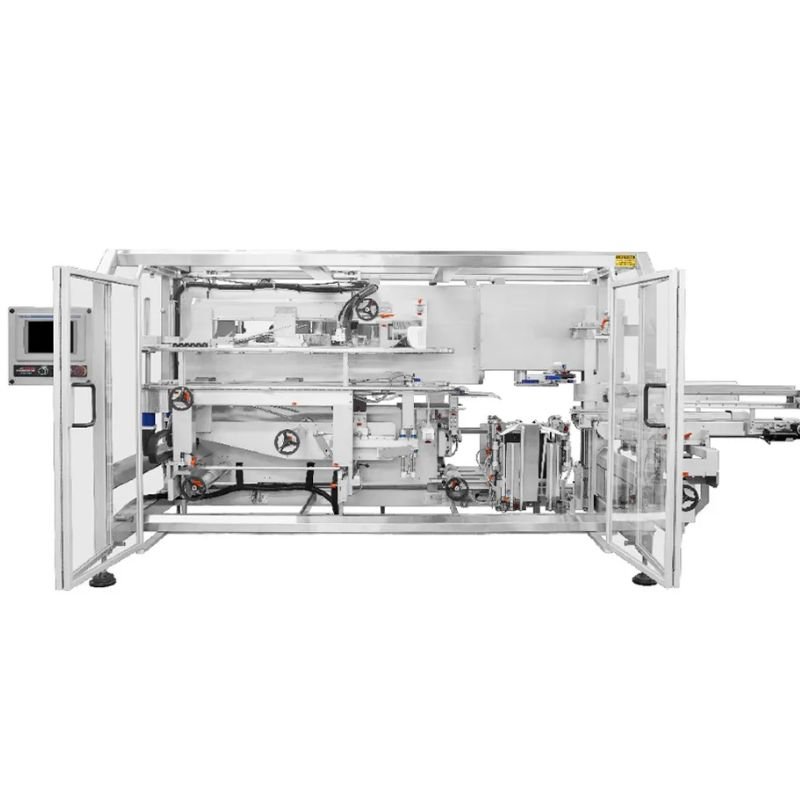
Load from bottom, compact footprint, ideal for lightweight products, stable high-speed operation.
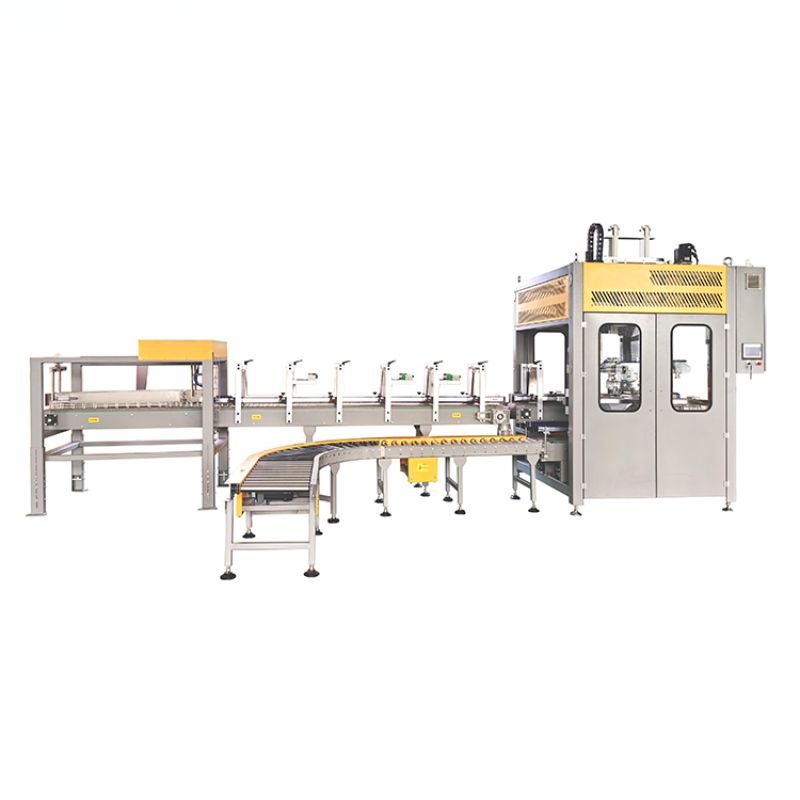
Top loading design, flexible product arrangement, handles multiple SKUs, suitable for bottles and cartons.
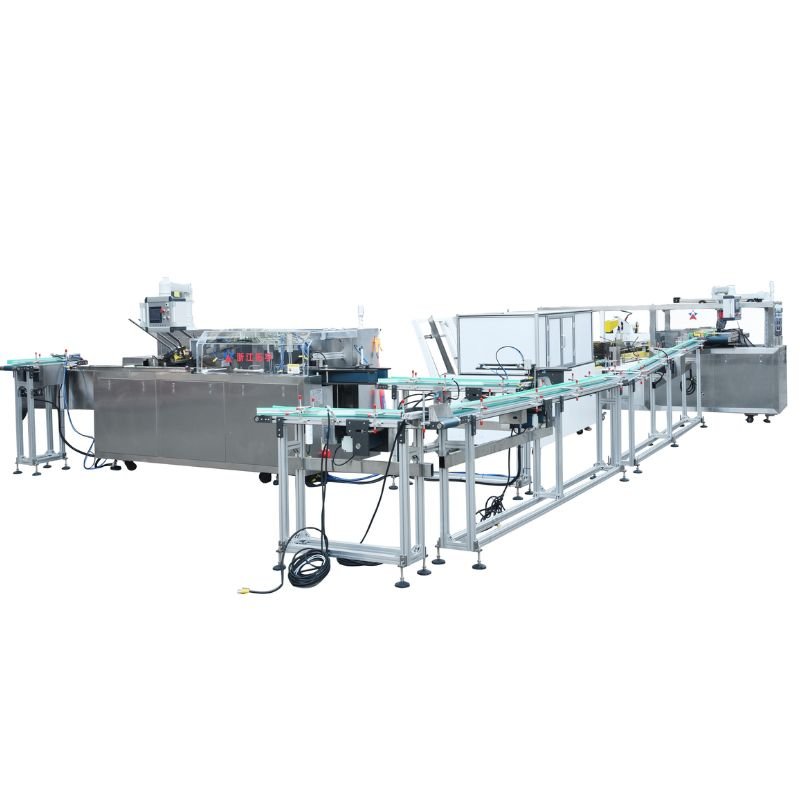
Side loading method, ideal for regular-shaped products, continuous high-speed packing, widely used in the food industry.
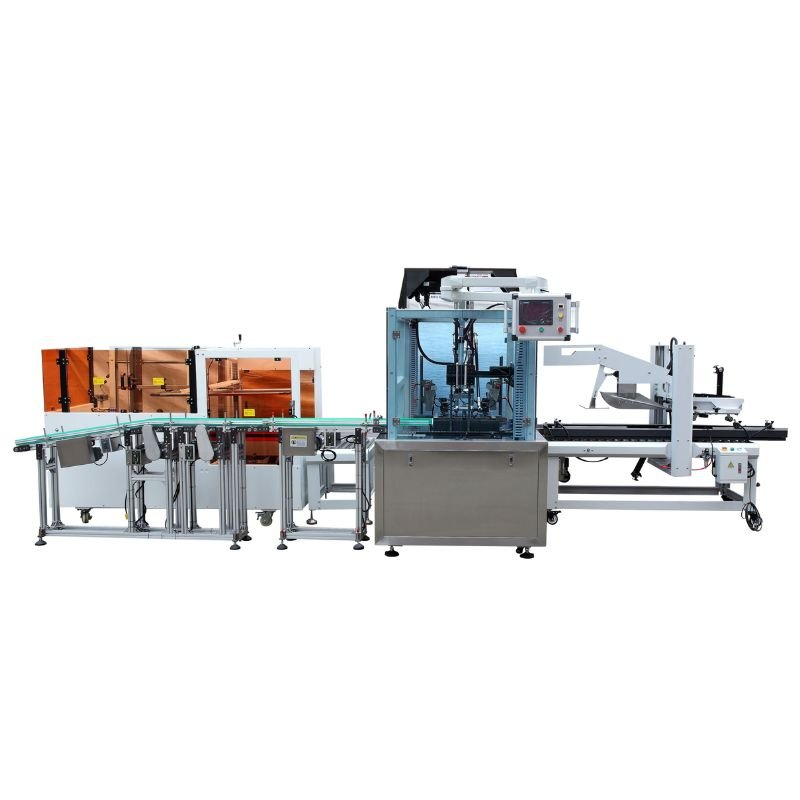
Wrap-around case forming, less material usage, stronger case structure, ideal for high-volume production.
Why Choose Neocarton Case Packer?

Continuous running without interruption, consistent performance at high speed, helps you keep production on schedule without frequent stops.

Seamless connection with existing lines, compatible with conveyors and upstream equipment, helps keep materials moving without interruption.

PLC control with touchscreen interface, real-time data monitoring, easy operation and quick troubleshooting.

Careful handling during packing, stable product positioning, reduced damage and improved packaging quality.
Cut Labor Costs, Boost Line Efficiency
The Neocarton case packer can completely replace the manual finishing of auto packing, ensure that production remains constant, and cut down on labor by 50% to 70%. Our machines operate automatically based on the set pace to avoid the problem of product dropping, misplacement, and unstable rhythm due to human operation, increasing efficiency in the entire manufacturing process. In your production lines running with regular orders, our automated system will earn back its cost sooner than you expected.
Handle Multiple Case Formats with Ease
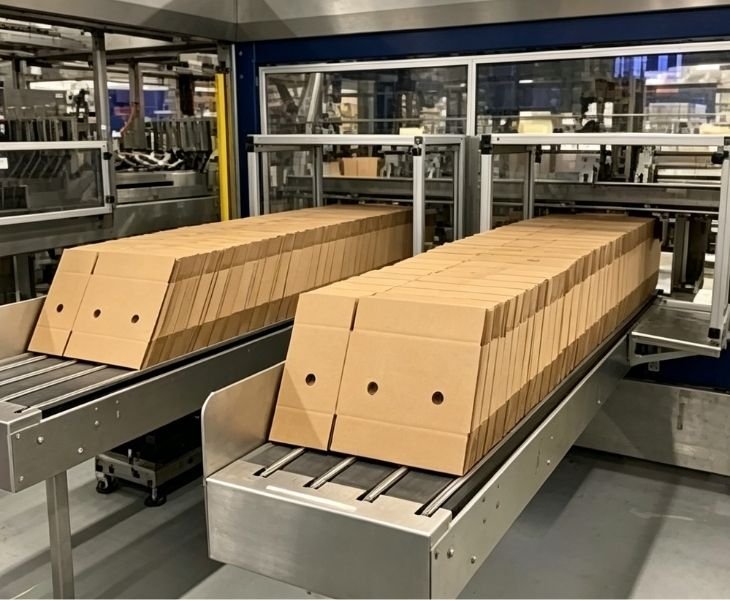
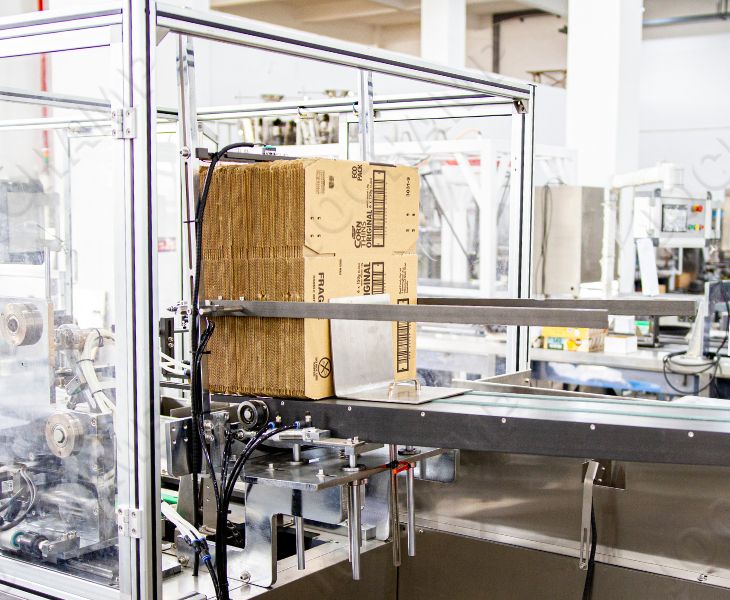
Our case packer will work perfectly with many types of cartons, like RSC, wrap-around, and trays, to cater to all your packaging needs. It can be easily configured to accommodate a range of products without having to make major adjustments to meet the necessary packaging requirements. It works perfectly even with large shipping boxes or smaller display packaging boxes to ensure all packaging processes are completed. The machine can also assist you with any changes in order quantities or SKUs.
Custom Case Packer for Your Production Needs
Each line varies in layout, beat, and product mix, and it is often difficult to match it exactly by directly adopting standard equipment. Our case packer can be customized according to your requirements to ensure the equipment is well-suited to the production line. By customizing equipment, you will save time on installation. In addition, there will be efficiency gains and cost savings from the compatibility of the equipment.
Application of Neocarton Case Packer
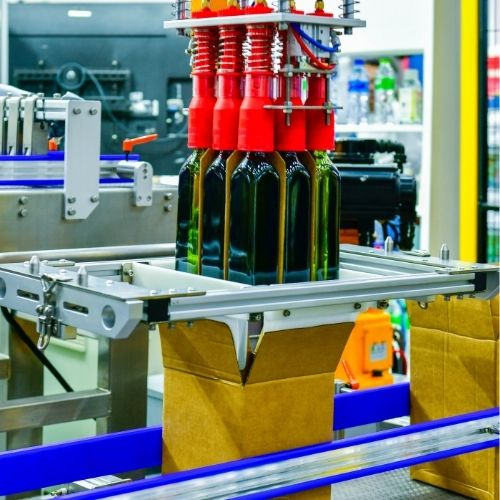
Our case packers are capable of finishing automatic packaging of water bottles, soda, and beer, satisfying the very stringent standards of the beverage industry in terms of packaging efficiency and accuracy.
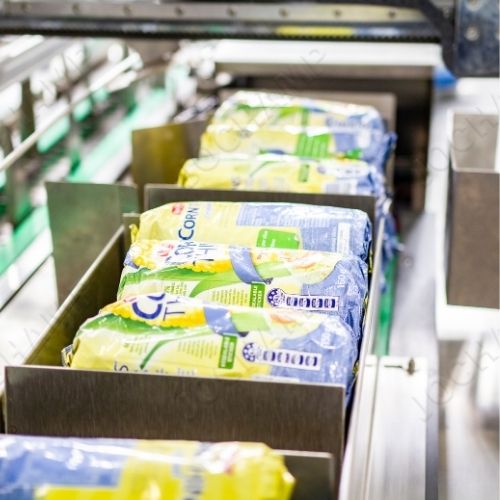
Used for products like biscuits, snacks, and frozen foods. Our machine can handle different product types on the same line and keep a steady packing speed. It helps you increase output without relying on more workers.

For packing medicines and healthcare products in cartons or cases. The machine runs steadily and keeps each pack consistent, which is important when you need to meet strict production requirements.
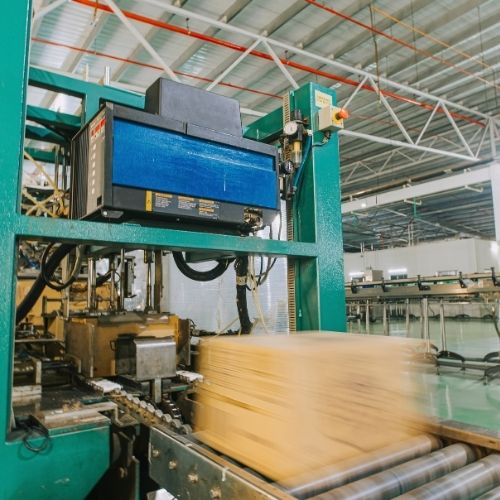
The Neocarton case packer is ideal for e-commerce and logistics applications that require packaging cartons of various sizes and mixed-order fulfillment. Enhance sorting and packaging efficiency for easier shipping.
- Technical Specifications of Case Packer
| Machine Type | Top Load / Side Load / Wrap-Around / Bottom Load |
| Production Capacity | 10–120 cases/min (depending on product & configuration) |
| Applicable Products | Bottles, cans, cartons, pouches, bags |
| Case Type | RSC, wrap-around, tray |
| Power Supply | 220V / 380V / 415V, 50/60Hz |
| Power Consumption | 3–10 kW |
| Air Pressure | 0.5–0.7 MPa |
| Air Consumption | 200–500 L/min |
| Control System | PLC control + HMI touchscreen |
| Machine Material | Stainless steel + carbon steel |
| Machine Dimensions | Customized based on layout |
| Weight | 1500–3000 kg |
| Changeover Time | ≤ 15 minutes |
| Automation Level | Fully automatic |
A cartoning machine places products (such as medicine bottles or toothpaste tubes) into small color boxes, producing individual small packages.
A case packer, on the other hand, takes groups of smaller packages such as boxes, cans, or bags, organizes them in a set pattern, and loads them into larger corrugated cartons to form finished shipping cases.
- The box does not open or is jammed. Non-standard box sizes or too tightly folded box corners may cause this problem; reposition the suction cups and corner guides.
- Products become jammed while being aligned. Conveyor belt speed mismatch may be the problem; decrease the feed speed.
- Packing tape misaligns and fails to attach. Test for a worn-out tape dispenser roller or brush.
Problems can typically be easily fixed according to instructions displayed on the monitor.
Before leaving work each day, use an air gun to blow away dust and debris from the sensors and slide rails.
Inspect the chains, gears, and bearings once a week and apply lubricant.
Calibrate the servo motor parameters once a month and ensure that all screws are tight.
Most importantly, use only cartons that meet specifications. Do not use warped or flimsy cartons to save money, as this will accelerate wear and tear.
Yes, but there’s no need for a large, high-speed machine. Semi-automatic or small modular case packers take up little space and allow for quick changeovers. With an initial investment of around USD 10,000 to over USD 150,000, they can replace 2–3 packing workers. If daily output exceeds 500 cases, the equipment pays for itself in about a year, and shipments won’t be delayed due to your workers’ absences or fatigue.
How Does a Case Packing Machine Work?
Step-by-Step Case Packing Process
- First, the product enters the device via a conveyor belt. At this time, the machine will not box the products immediately, but will sort out the items to form certain patterns or arrange them according to the number of products. This way, it won’t be messy when grabbing from behind.
- Next is the grasping step. The machine will use a clamp or a robotic arm to pick up a group of products at the same time. Some devices are grabbed from above, others are pushed from the side, depending on the type of device you choose.
- Then box it. The machine will put the product into the opened carton, the position is fixed, no crooked or squeezed problem.
- After packing, the carton will be transported to the next step, and the equipment will complete the sealing. If you have a separate case sealer behind, this step will complete the processing later.
- Finally, the finished carton is exported and then enters the palletizing or warehousing stage.
The whole process runs continuously, and as long as you have product input all the time, the device will always work.
Main Systems Used in Case Packers
Today’s devices are more than just simple mechanical actions. When you select a device, you will often hear the following things:
- Robotic arm: If you have multiple specifications for the item or varying placements, the robotic arm is an appropriate option since it is highly adaptable to changing grabbing methods.
- Vision system: When the product position is not fixed, the machine can use recognition to judge the position and then decide how to grasp it.
- Servo control: used to control the accuracy and speed of actions, and it can make the equipment run more stably and faster.
- Sensors: used to detect whether the product is in place and whether the carton is opened, to avoid errors.
Case Packer vs Manual Packing
| Manual Packing | Case Packer | |
| Speed | Depends on the worker’s skill, inconsistent | Stable output with continuous operation |
| Labor Cost | Goes up with higher production volume | Higher starting cost, lower long-term cost |
| Consistency | Prone to errors and variation | Uniform packing for every case |
| Product Protection | Higher risk of damage or misplacement | Controlled packing reduces damage |
| Scalability | Requires more workers, harder to manage | Easy to scale by increasing speed or adding machines |
How to Choose the Right Case Packer for Your Business
Understand Your Product First
You start with the product itself. Is your product a bottle, bag, or box? Is it hard or easily deformed? Will it be squeezed or dumped during handling? These will directly affect the way the boxes are packed.
Define Your Required Output
You need to know the number of boxes shipped in a day, how many boxes an hour, and whether it will suddenly increase during peak periods. If you are now working overtime to catch up on goods, it means that the production capacity is no longer enough. The equipment is not about the top speed, but whether it can operate stably within your needs for a long time.
Check Flexibility and Changeover
If you only have one product specification, the choice will be much simpler. But as long as you have multiple SKUs, this becomes important. You can think about how much time it would take you to change a product now? If I have to change the specifications several times a day in the future, can the equipment be adjusted quickly? If you have to stop, disassemble, and recommission every time, it will waste a lot of time. A simple equipment replacement will make your production more efficient.
Match Case Types and Packing Style
What kind of carton do you use now? How to place the products in the box? All of these need to be confirmed in advance. Each machine supports its own type of boxes and ways of packing. If they do not match, they will not be used. You need to choose the device according to your packaging method.
Think About Your Factory Layout
Many times, the problem is not that the equipment is not working, but that it cannot be placed on site. You can first look at your own workshop space and take into account the equipment size, conveyor line length, and personnel access.
If the equipment is not positioned properly or is not laid out properly after entering the field, it will be difficult to adjust. So before you choose a device, you have to roughly think about where to put it, how to wire it, and how to use the materials.